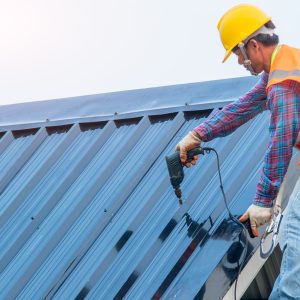
Deciding on a new roof is one of those big, expensive decisions you want to get right the first time. The roof protects your home from the weather and makes it look attractive. Sadly, trying to get the right roofing material can be challenging. Most homeowners try to balance cost, looks, and longevity during this process. And as if that’s not enough, finding a reliable Roofer Rhyl can be another headache. This article will help you figure out the right roofing material for your home. Keep reading.
Content
Match Material to Extreme Heat and Intense Sun
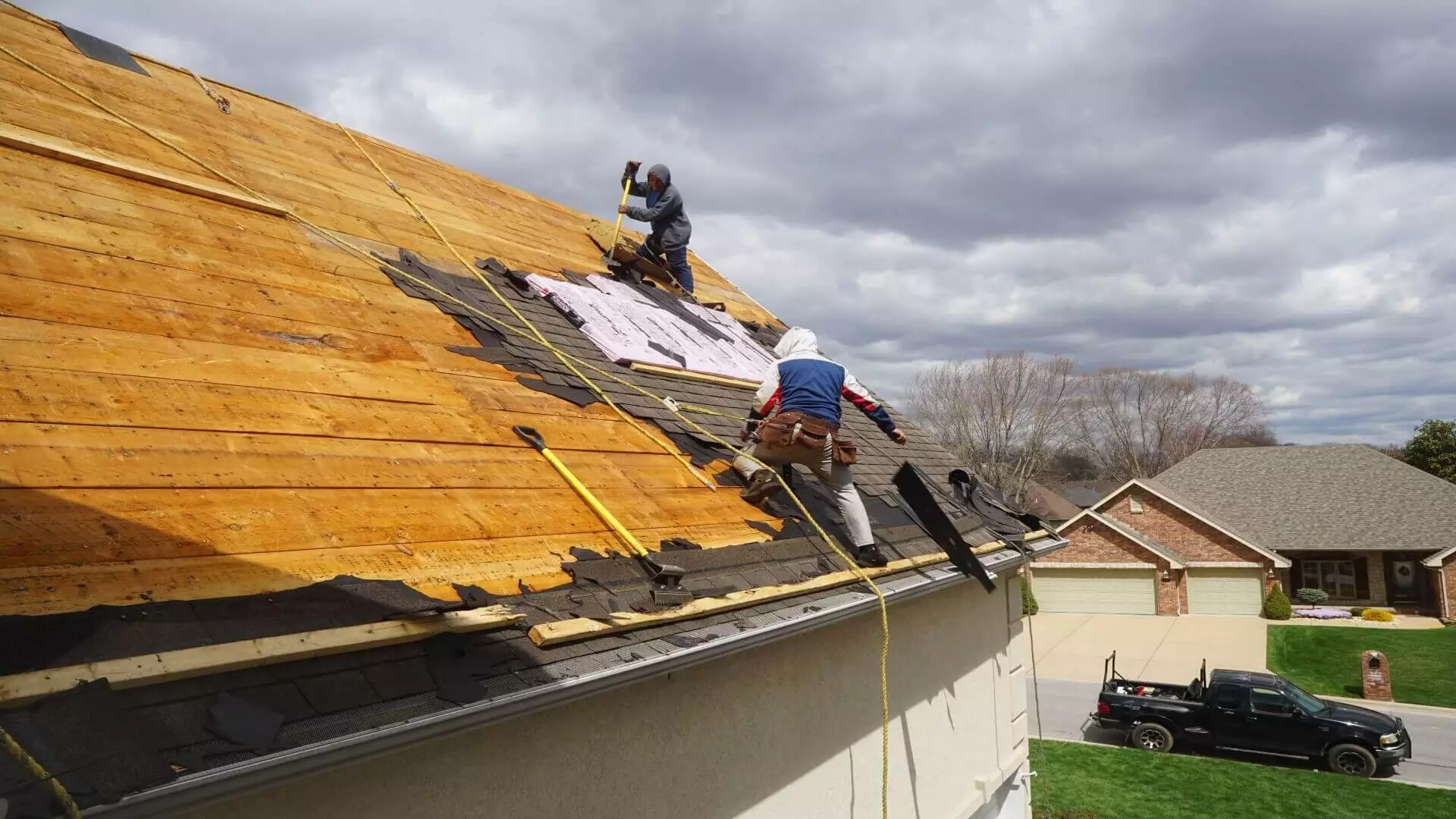
If you live somewhere that regularly bakes under a scorching sun and experiences high heat, your primary concern is UV degradation and thermal shock. Asphalt shingles, which are the most common choice, can struggle immensely in these conditions. The intense UV rays break down the asphalt binder, and the repeated expansion and contraction from huge temperature swings (hot days, cool nights) can cause them to crack and become brittle.
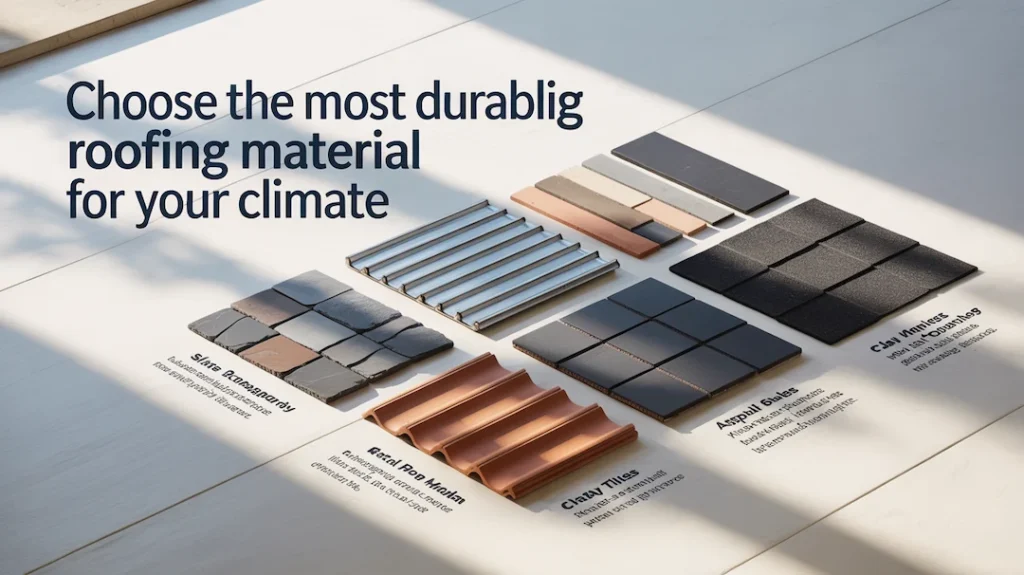
When combating relentless heat, you need materials that are naturally reflective and dimensionally stable. Metal roofing, particularly standing seam metal, is a fantastic option here. Its surface reflects solar radiant heat, which dramatically reduces the heat load on your attic and your cooling bills. Furthermore, quality metal panels are designed to expand and contract without compromising the watertight seal. They last decades longer than asphalt in high-heat areas, easily justifying the higher upfront cost.
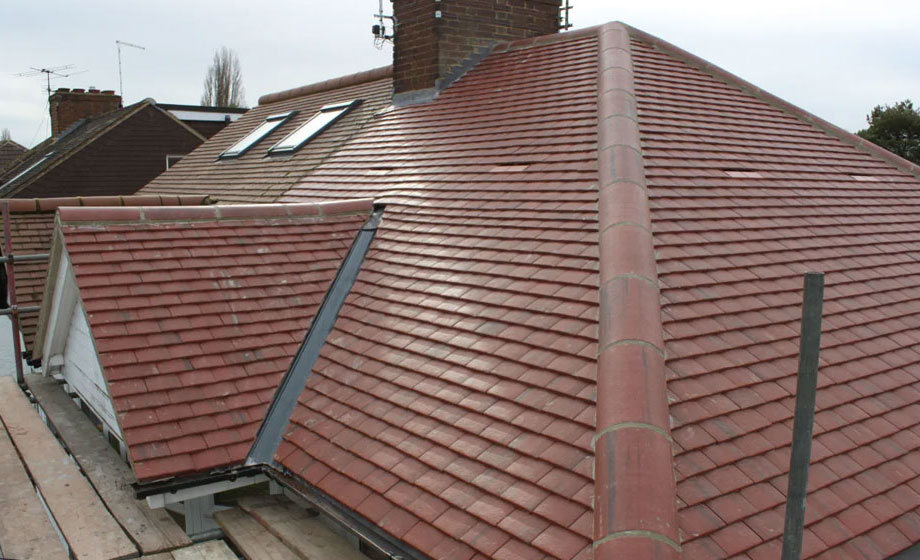
Another excellent choice for hot climates is concrete or clay tile. Not only are they incredibly durable and fire-resistant (a major plus in dry areas), but their mass and inherent airspace create a thermal barrier. If you’re unsure whether your climate is considered “extreme heat,” just ask your local professional. Most Contact pageforms allow you to upload a photo of your existing roof, which can help them give you immediate, personalized advice.
Prioritize Water Resistance
If your climate is characterized by heavy rainfall, intense humidity, or frequent storms, your focus needs to be on materials that repel water and can resist powerful wind forces. Water penetration is the number one cause of roof failure in these areas, often leading to rot, mold, and costly structural damage.
In these rainy regions, slate is the gold standard for durability. It’s a natural stone that is completely impermeable to water and incredibly long-lasting. Although it’s one of the most expensive options, it eliminates the risk of water penetration. However, if slate is out of budget, high-grade architectural asphalt shingles are a good runner-up. These shingles are much thicker and often have a superior water-shedding design compared to traditional three-tab shingles. Just be sure they are rated for high winds.
For areas prone to tropical storms or hurricanes, wind uplift resistance is critical. Metal roofing systems, when properly installed with interlocking panels and strong fastenings, offer some of the highest wind ratings available.
Seek Flexibility and Impact Resistance in Hail and Freeze Zones
For those living in climates with wild temperature swings that include heavy snow, ice, and frequent hail, your roof material needs two key attributes: flexibility to handle constant freezing and thawing, and the ability to withstand physical impact from hail. Thermal shock is a huge enemy here, as materials that become brittle in the cold will quickly crack.
Metal roofing performs well because of its ability to shed snow and ice and its inherent flexibility. However, thin metal can sometimes suffer cosmetic damage from large hailstones. If hail is a frequent concern, look for thick-gauge metal or specialized impact-resistant asphalt shingles. These shingles are often reinforced with polymer modifications that give them a Class 4 impact resistance rating, the highest available. Insurance companies often offer discounts for installing Class 4 rated materials, which is a nice perk for being smart about your durability choice.
Summing Up
Choosing the right roofing material is perhaps the most important long-term investment you’ll make in your home’s defense. Don’t just select a roof that looks great: find one that’s engineered to last.
Jesse Ortiz is an avid home blogger, with the goal of helping his readers find inspiration and ideas for their next project. He writes about everything from small design projects to large renovations. His goal is to help people transform their homes into something that reflects who they are.
Jesse Ortiz is an avid home blogger, with the goal of helping his readers find inspiration and ideas for their next project. He writes about everything from small design projects to large renovations. His goal is to help people transform their homes into something that reflects who they are.
When a storm strikes or unexpected damage hits your roof, every minute counts. Leaks, missing shingles, or structural issues can lead to extensive water damage, mold growth,…
When it comes to protecting your commercial property, few elements are as vital as the roof over your head. Whether you’re planning a full commercial roof installation…
Do you want to design the exterior and interior of your roof in a stylish way? An expert contractor will assure you of residential renovating service because…
What Is Roof Replacement? General roof sustenance includes overall roof maintenance, trash eradication, inspections, gutter cleaning, and mold ejection (between other things). To recognize whether your roof…
Do you want to get your roof repaired by some professional roof contractors? Stop here and read more about the B&M roofing contractors who provide the ultimate…
By definition, sustainable houses are those that are planned or already built from a civil and architectural project that minimally harms the environment. In the national territory,…