A thoughtfully designed landscape can completely transform the appearance and functionality of your outdoor space. Whether you have a compact backyard or a large property, choosing the right landscape design requires careful planning. The ideal design should reflect your personal style while also meeting practical needs such as maintenance, climate suitability, and budget. By understanding the essential elements of landscaping, homeowners can create an outdoor environment that remains beautiful and enjoyable for years.
Content
Start by Understanding Your Outdoor Space
Before selecting any plants, pathways, or outdoor features, take time to evaluate your yard. Consider its size, shape, sun exposure, drainage, and existing vegetation. Every property has unique characteristics that influence which landscaping ideas will work best.
It is also important to think about how you intend to use the space. Some homeowners want a peaceful garden retreat, while others prefer an entertainment area with patios, outdoor kitchens, or play spaces for children. Having clear goals makes it easier to choose a design that supports your lifestyle.
Balance Beauty with Functionality
An attractive landscape should also be practical. Wide walkways, proper lighting, and strategically placed seating areas improve both safety and convenience. Selecting durable materials for patios and retaining walls helps ensure your investment lasts for many years.
Native plants and drought-tolerant landscaping are increasingly popular because they require less water and maintenance. Grouping plants with similar watering needs also simplifies irrigation and promotes healthier growth throughout the garden.
When researching design ideas and professional landscaping inspiration, homeowners often explore resources like simivalleylandscaping.com to better understand different landscape styles, outdoor living concepts, and maintenance-friendly solutions before beginning their projects.
Choose Plants That Thrive in Your Climate
Plant selection plays a major role in the long-term success of any landscape design. Choosing species that naturally thrive in your local climate reduces maintenance while improving the health of your garden.
Mixing trees, shrubs, flowering plants, and ground covers creates visual interest throughout the seasons. Consider bloom times, mature plant sizes, and color combinations to achieve a balanced appearance. Evergreen plants can provide year-round structure, while seasonal flowers add vibrant color during different times of the year.
Healthy soil preparation and proper irrigation are equally important for supporting strong plant growth and minimizing future maintenance issues.
Incorporate Hardscape Features Carefully
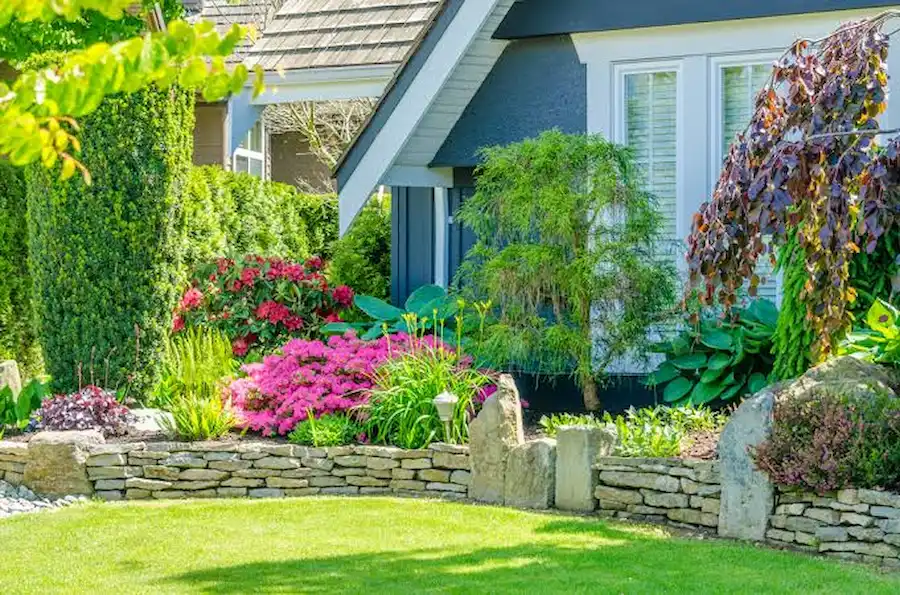
Hardscape elements provide structure and functionality to outdoor spaces. Features such as patios, stone walkways, retaining walls, decorative pavers, and fire pits create gathering areas while enhancing the overall design.
The key is maintaining balance. Too many hardscape features can make a yard feel crowded, while too few may leave the landscape lacking definition. Selecting materials that complement your home’s architectural style helps create a seamless transition between indoor and outdoor living areas.
Proper spacing between hardscape and softscape elements also improves accessibility and allows plants enough room to mature naturally.
Plan for Long-Term Maintenance
A beautiful landscape should remain manageable over time. Before finalizing your design, honestly assess how much maintenance you’re willing to perform. Lawns require regular mowing, while ornamental gardens often need seasonal pruning, fertilizing, and weed control.
Installing automatic irrigation systems, mulch beds, and low-maintenance plants can significantly reduce ongoing upkeep. Regular maintenance also helps prevent costly repairs and keeps outdoor spaces looking attractive throughout the year.
Professional planning during the design stage often saves homeowners both time and money in the future.
Final Thoughts
Choosing the right landscape design involves much more than selecting attractive plants. It requires careful consideration of your property’s layout, climate, personal preferences, and long-term maintenance goals. By combining functional outdoor spaces, climate-appropriate plants, durable hardscape features, and sustainable landscaping practices, homeowners can create an inviting yard that adds beauty and value to their property.

Jesse Ortiz is an avid home blogger, with the goal of helping his readers find inspiration and ideas for their next project. He writes about everything from small design projects to large renovations. His goal is to help people transform their homes into something that reflects who they are.