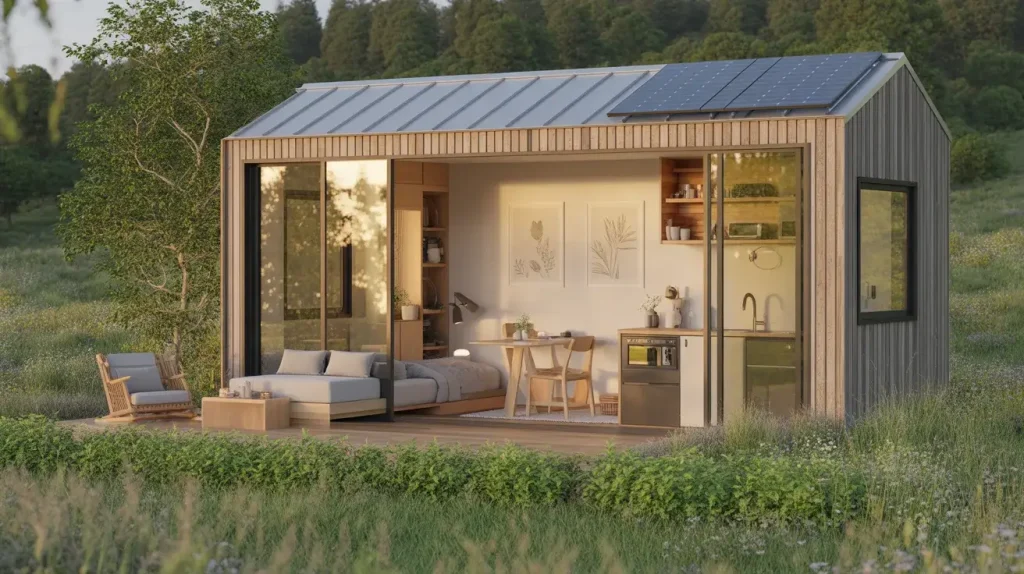
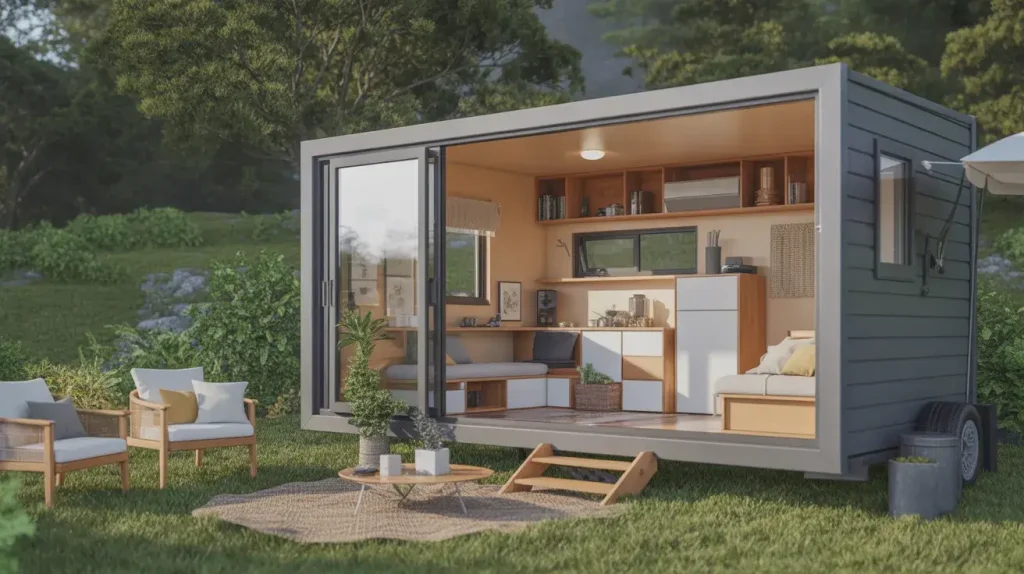
The way we think about housing is evolving. Rising property prices, environmental concerns, and the desire for simpler lifestyles have led many people to rethink the traditional idea of a “dream home.” Enter the small home movement—a growing trend where people choose smaller, more efficient living spaces that are affordable, sustainable, and surprisingly functional.
This approach isn’t just about tiny houses; it’s about downsizing thoughtfully, prioritizing experiences over possessions, and designing homes that fit modern lifestyles without unnecessary waste. In this article, we’ll explore the benefits, challenges, and practical insights of compact living, including trends, design ideas, and real-life experiences to guide you.
Content
What Is the Small Home Movement?
At its core, the small home movement encourages living in smaller, well-designed spaces that reduce environmental impact and promote simpler living. While “tiny homes” often dominate the conversation, small homes can range from compact apartments to tiny houses on wheels or small modular units.
Key aspects of the movement include:
Minimalist homes: Prioritizing functionality and reducing clutter
Compact living: Maximizing every square foot for comfort and utility
Sustainable housing: Using energy-efficient materials, solar power, and smart design
Affordable small homes: Lower construction and maintenance costs compared to traditional homes
It’s not just a trend; it’s a lifestyle choice. Many participants value freedom, flexibility, and a focus on experiences over material accumulation.
Benefits of the Small Home Movement
Living in a smaller space offers multiple advantages beyond just saving money. Here are some of the most compelling reasons people are joining the movement:
1. Affordable Alternative to Traditional Housing
One of the most appealing benefits is cost savings. Small homes are generally cheaper to build, purchase, and maintain than traditional houses. Many people find they can invest in quality finishes, sustainable technologies, or desirable locations without stretching their budget.
Example: Compact living allows homeowners to afford urban areas where housing costs are typically high.
2. Simplified Lifestyle
Smaller spaces naturally encourage minimalism. You focus on what truly matters, reducing clutter, unnecessary furniture, and items you don’t use. For many, this leads to less stress and more freedom to pursue hobbies, travel, or time with family.
3. Environmental Sustainability
Small homes often use fewer resources, both in construction and daily living. Smaller spaces are easier to heat and cool, and many designs incorporate energy-efficient features such as solar panels, smart insulation, and water-saving appliances.
4. Flexibility and Mobility
Some small homes, like modular units or tiny houses on wheels, offer the ability to relocate without losing your investment. This appeals to individuals seeking mobility or experimenting with different living environments.
Popular Small Home Movement Trends
This housing trend has grown steadily over the past decade, driven by both lifestyle choices and broader societal trends.
Minimalist Interiors
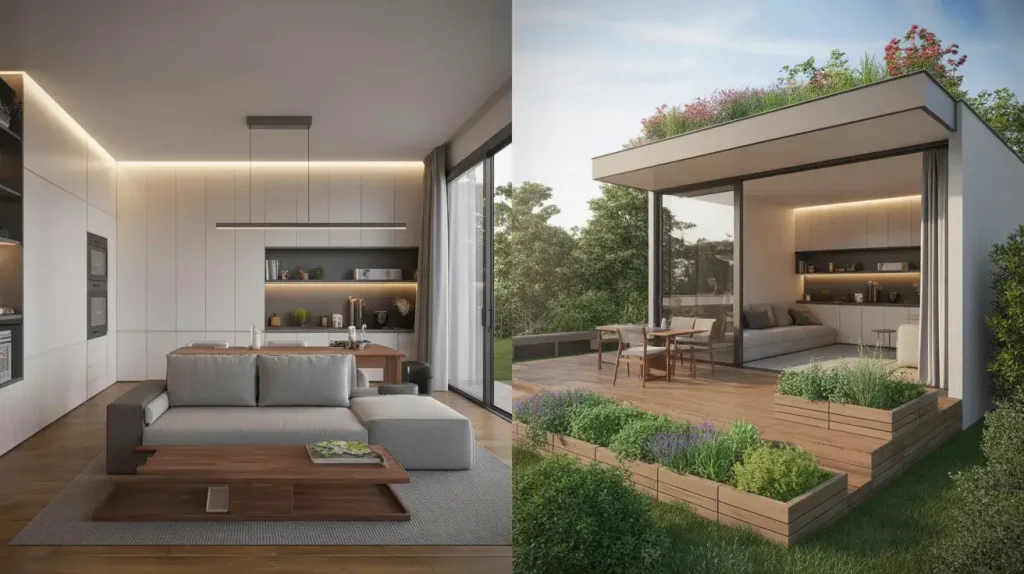
Open floor plans, multifunctional furniture, and clever storage solutions are common in modern small homes. Homeowners often integrate hidden cabinets, foldable desks, or convertible furniture to maximize space.
Eco-Friendly Design
Sustainable features are increasingly important. Homes are designed with passive heating, energy-efficient lighting, rainwater collection, and recycled materials. Many communities that embrace the small home movement promote environmentally conscious building practices.
Community Living
Some small home enthusiasts are joining tiny home villages or co-housing communities. These setups allow individuals and families to enjoy social connections, shared resources, and a sense of belonging while maintaining privacy in their compact units.
Challenges of Small Living
Despite the benefits, living in a small home comes with some hurdles:
Limited storage space: Creative solutions are essential to keep the home organized.
Family dynamics: Large families may feel cramped without careful planning.
Zoning and permits: Certain areas have restrictions on small or mobile homes.
Understanding these challenges upfront can help prospective homeowners plan effectively and avoid frustration.
How to Design a Functional Small Home
A well-designed small home maximizes every square foot. Here are some tips:
Open concept layouts to create the perception of space
Multi-purpose furniture like sofa beds or foldable tables
Vertical storage using shelves and wall-mounted units
Smart lighting to make rooms feel larger and brighter
Outdoor extensions such as decks, patios, or rooftop gardens
These strategies make even compact living spaces functional and enjoyable.
Real-Life Case Study: Downsizing Success
Meet Anna and Michael, a couple in their early 30s who joined the small home movement two years ago. They sold their 2,200 sq. ft. suburban home and built a 450 sq. ft. modular small home on a plot near a nature reserve.
Key takeaways from their experience:
Cost Savings: Their new home cost 40% less than their previous mortgage.
Simpler Living: Downsizing forced them to declutter and prioritize what mattered most.
Lifestyle Upgrade: They now spend weekends hiking, kayaking, and traveling instead of maintaining a large property.
Sustainability:Solar panels and energy-efficient appliances cut their utility bills by 50%.
Anna and Michael’s story highlights how downsizing can improve finances, lifestyle, and environmental impact.
Is the Small Home Movement Right for You?
The movement isn’t for everyone, but it appeals to:
Individuals seeking financial freedom
Families wanting a simpler, less cluttered lifestyle
Eco-conscious homeowners
People who value experiences over possessions
If you are willing to embrace minimalism, plan your storage carefully, and consider flexible designs, a small home can be a life-changing choice.
Final Thoughts
The small home movement is more than a housing trend—it’s a lifestyle shift. It combines affordability, sustainability, and thoughtful design to create living spaces that are functional, efficient, and enjoyable, with creative wall decor ideas adding personality and style to compact interiors.
From clever eco-friendly small home design ideas to the financial freedom offered by downsizing, this movement empowers people to rethink how they live, spend, and prioritize what matters most.
Whether you’re exploring your first tiny home or considering downsizing from a traditional house, taking inspiration from real-life examples and current trends can help you embrace the small home lifestyle confidently.
FAQ’s:
What are the common mistakes in tiny houses?
Avoid overfilling space, poor layout planning, and skipping multi-purpose furniture in tiny homes.
What are the benefits of the tiny house movement?
The tiny house movement saves money, promotes minimalism, and reduces environmental impact.
What are the two main factors that inspire the tiny house movement?
Rising housing costs and a desire for simpler, more sustainable living inspire the movement.
Designing a bathroom that feels both beautiful and practical can be challenging, especially when space is limited. Over the years, I’ve worked on and experimented with many…
Repainting your bathroom is one of the simplest ways to refresh its look, increase its appeal, and even improve resale value. Yet many homeowners hesitate because they’re…
When it comes to improving the functionality and aesthetic appeal of your property, concrete installation plays a pivotal role. Whether you are planning a concrete patio, sturdy…
Widening doors in residential properties is a significant modification that can greatly enhance accessibility for individuals with disabilities. However, it is essential to adhere to building codes…
Pressurized walls have become a popular choice of people all around the globe. Pressurized walls are a type of temporary walls that are more practical and operational…